
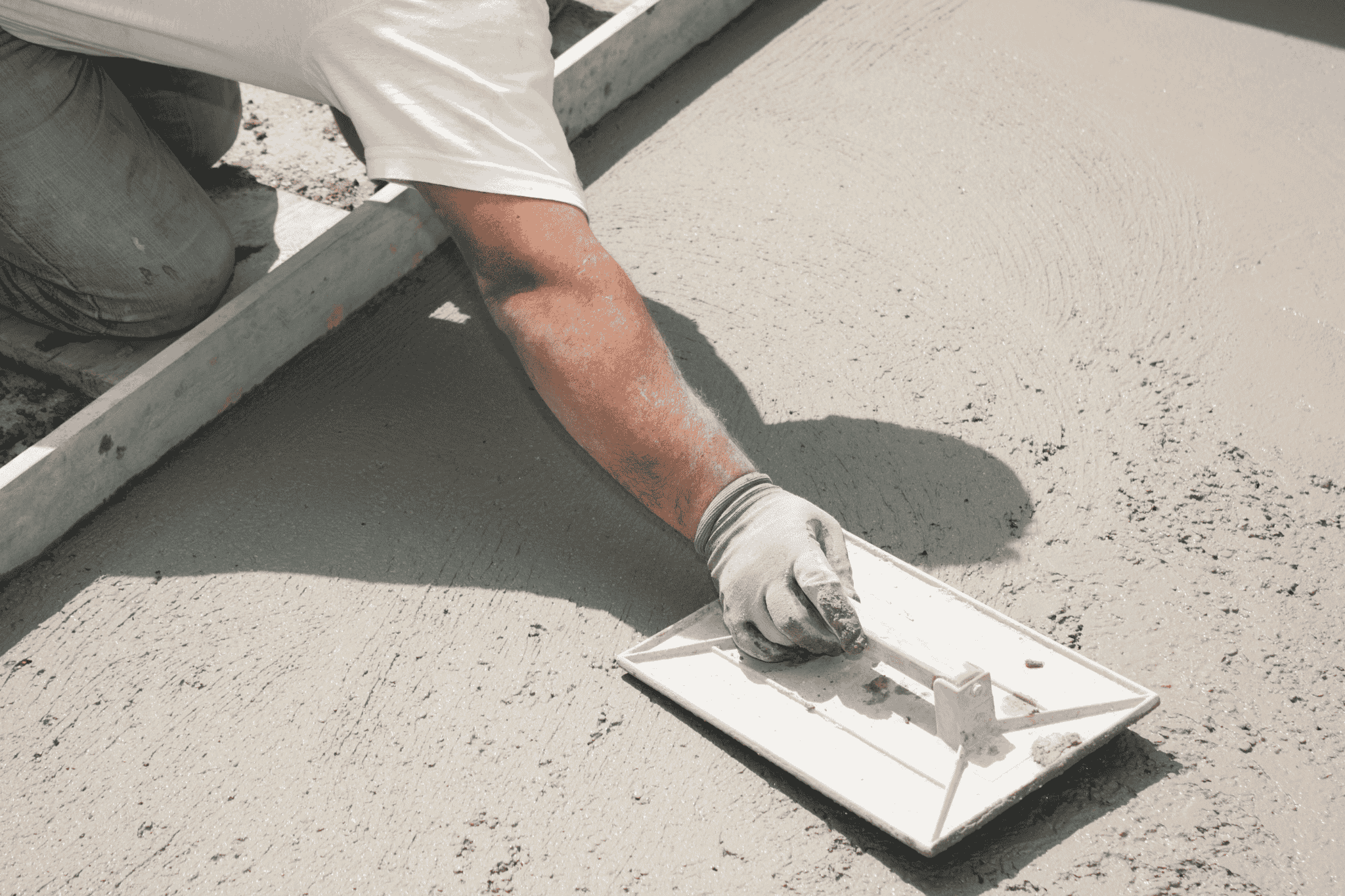
Masonry cement is a specially formulated material designed to mix with sand and water to create mortar. It plays a central role in modern construction, valued for its ability to bond bricks, blocks, and stones while providing durability and a clean finish. Unlike general-purpose cement, masonry cement is engineered to deliver excellent workability, weather resistance, and aesthetic appeal, making it a trusted option for residential, commercial, and restoration projects.
Why Select Masonry Cement for Building Projects?
Masonry cement is an essential material because it provides both strength and flexibility in construction. It ensures that walls and structures are stable while offering the visual qualities needed for exposed surfaces. Mortar made from masonry cement is easier to work with than other mixes, giving masons and builders more control over application and finish. This results in smoother joints, stronger bonds, and a more attractive appearance. In addition, masonry cement is highly resistant to environmental factors such as moisture, temperature changes, and wind exposure.
Similarities Between White and Gray Masonry Cement
When it comes to performance, white and gray masonry cement are essentially identical. They are engineered to provide the same high standards of bonding strength, durability, workability, and weather resistance. The choice between them is purely aesthetic, with gray masonry cement providing the traditional, standard color seen in the majority of construction projects.
White masonry cement offers a bright, uniform finish, making it ideal for architectural projects, decorative walls, and restorations where appearance is a top priority. Its key advantage is that it serves as a neutral base that can be easily tinted. By adding pigments, builders can use white cement to achieve a wide spectrum of custom mortar colors, allowing them to precisely match or contrast with specific bricks and stones for maximum design flexibility.
Understanding Types N and S Masonry Cement
Beyond color, masonry cement is categorized by type, with Type N and Type S being the most widely used. Type N masonry cement provides medium strength, with a compressive strength of approximately 750 psi. This makes it ideal for non-load-bearing walls, decorative partitions, and above-grade applications where conditions are relatively mild. Its ease of use also makes it a preferred option for repair work and small alterations, where workability and control are essential. Type S masonry cement, by contrast, is a high-strength option with a compressive strength of approximately 1,800 psi. It is designed for load-bearing walls, retaining walls, and foundations where structural demands are higher.
Why Choose Bagged Masonry Cement?
Bagged masonry cement provides significant advantages for builders, contractors, and repair specialists. It is especially useful for small to medium-sized projects that do not require bulk delivery. For example, patios, garden walls, and walkways can often be completed with bagged cement, which reduces waste and simplifies logistics. On-site mixing allows contractors to control consistency and adjust to the specific requirements of each job. For projects in remote or hard-to-access areas, bagged cement offers portability and convenience, ensuring that materials can be transported and stored with ease. Specialized contractors such as landscapers and masons often prefer bagged cement for its flexibility and efficiency in handling smaller-scale or decorative projects.
Contact us today for high-quality masonry cement!
At Otto Cement, we are committed to providing high-quality masonry cement solutions that meet both the functional and aesthetic needs of today’s builders and architects. To place an order or learn more about our offerings, contact us online today.